Adults always say I’m mature for my age.
They say it like it’s praise, like it means I’m doing something right.
What they don’t realize is that I didn’t become this way by choice. I had to be.
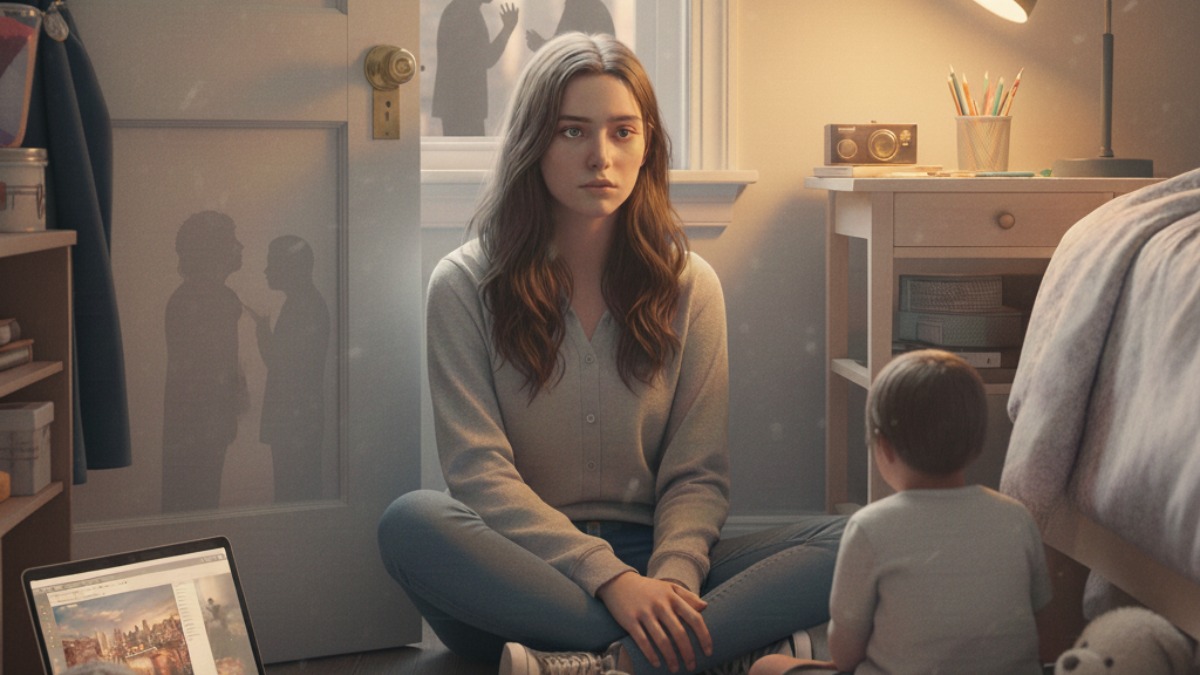
When things fall apart at home, I’m the calm one. I listen instead of reacting. I watch the room and figure out what version of myself is needed that day. When bills are late, I stay quiet. I don’t ask for things I want. I don’t complain. I learn how to make myself smaller so I don’t add to the stress.
When arguments happen, I disappear into my room. I put my headphones on, do my homework, scroll on my phone—anything to stay out of the way. I’ve learned how to read tension the way other people read facial expressions. I know when to speak and when silence is safer.
People think maturity means I’m strong. And maybe I am. But it also means I don’t get to fall apart. It means I don’t get to make mistakes loudly or be unsure or need help without feeling like I’m failing someone else.
Sometimes I want to be immature. I want to overreact. I want to say the wrong thing and not feel responsible for fixing it. I want to mess up and still be forgiven, not treated like I should have known better.
I didn’t choose to grow up this fast. I didn’t choose to carry adult worries in a teenage body. Being “mature for my age” isn’t a compliment when it comes from losing parts of childhood before you’re ready.
I know how to survive. I just wish I also knew how to rest, how to be careless, how to be seventeen without feeling like the adult in the room.